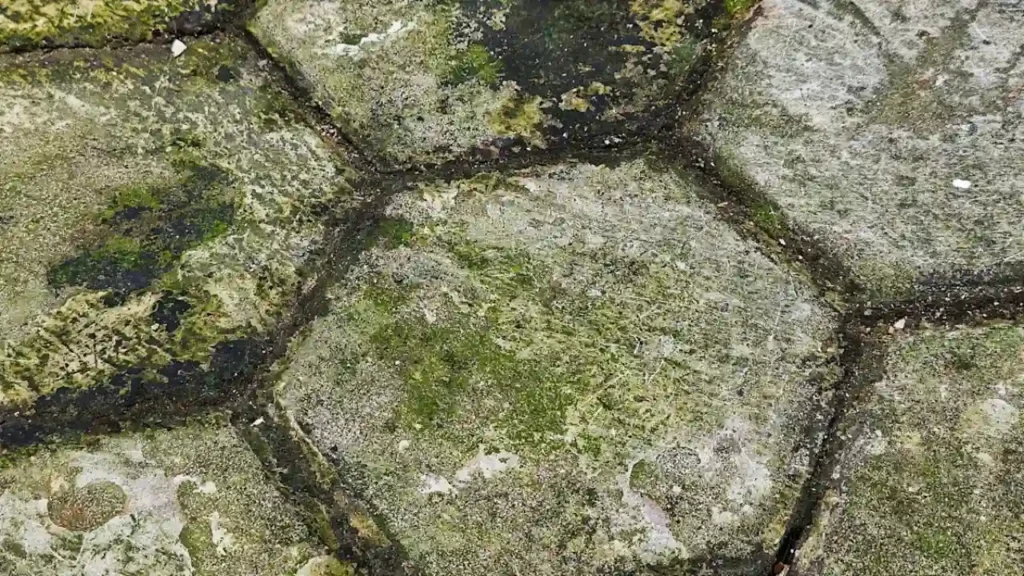
Resin bound driveways are popular across the UK because they are durable, attractive and low maintenance. However, many homeowners eventually notice green patches or staining appearing on the surface. This can be worrying at first, especially if the driveway was installed relatively recently.
In most cases, a resin driveway turning green is not a structural problem. The colour change is usually caused by algae, moss or organic growth developing on the surface. These organisms thrive in damp conditions, particularly in shaded areas or locations with frequent rainfall.
Homes in coastal regions such as Bournemouth and wider Dorset may experience this more often because humidity, salt air and moisture create an ideal environment for algae growth.
Understanding why the problem occurs and how to clean it properly will help keep your driveway looking clean, safe and well maintained.
Why Resin Driveways Turn Green
A resin bound driveway is made from natural aggregates mixed with UV-stable resin and laid onto a prepared base. One of its biggest advantages is that the surface is permeable, meaning water can drain through small gaps between the stones.
While this drainage capability is excellent for preventing puddles and complying with sustainable drainage regulations, it also means the surface can occasionally retain moisture in certain conditions. When moisture combines with shade, dirt or organic debris, it creates the perfect environment for algae and moss spores to grow.
The green appearance most homeowners notice is typically caused by algae colonies forming on the surface of the stones rather than damage to the resin itself. This means the driveway usually remains structurally sound, even if the colour temporarily changes.
Common Causes of Green Stains on Resin Driveways
Several environmental factors can encourage algae growth on resin surfaces. Understanding these causes can help homeowners identify the problem quickly and prevent it from returning.
Moisture and Damp Conditions
Moisture is the primary factor behind algae growth. Areas that remain damp for long periods allow algae spores to settle and multiply.
In parts of the UK with frequent rainfall, such as coastal Dorset, driveways may stay wet for longer periods, particularly during autumn and winter. Morning dew, rainfall and coastal humidity all contribute to moisture levels that support algae development.
Shade from Trees, Fences or Buildings
Driveways located in shaded areas are more likely to develop green patches. When sunlight cannot reach the surface, moisture evaporates much more slowly.
Shade can come from nearby trees, hedges, fences or even neighbouring buildings. If parts of the driveway receive very little sunlight throughout the day, algae and moss may begin to grow in those areas first.
Organic Debris and Dirt Build-Up
Leaves, soil and organic debris can collect on the surface of a driveway over time. As these materials break down, they provide nutrients that encourage algae growth.
Driveways located near gardens or trees may accumulate debris more quickly. If this material is not removed regularly, it can create a thin layer of organic matter where algae can thrive.
Poor Maintenance Over Time
Although resin driveways require far less maintenance than many other surfaces, occasional cleaning is still important. Without periodic sweeping or washing, dirt and organic matter gradually accumulate on the surface.
Over time this build-up allows algae spores to develop into visible green patches, particularly in damp or shaded areas.
Is a Green Resin Driveway a Serious Problem?
Seeing green staining on a driveway can be concerning, but in most cases it is simply a cosmetic issue. Algae typically affects the appearance of the surface rather than its strength or durability.
A properly installed resin driveway remains structurally stable even if algae is present. However, cleaning the surface is still recommended for several reasons.
First, removing algae restores the driveway’s original colour and appearance. Second, it helps maintain good traction, as heavy algae growth can sometimes create a slightly slippery surface when wet. Finally, cleaning prevents further build-up and keeps the driveway looking well maintained.
With the correct cleaning method, algae can usually be removed quickly and safely.
How to Clean Green Algae from a Resin Driveway
Cleaning algae from a resin driveway is normally straightforward. A gentle approach is recommended to protect the surface while removing the growth effectively.
Step 1: Remove Loose Debris
Start by sweeping the driveway thoroughly with a stiff brush or broom. This removes leaves, soil and other debris that may be feeding algae growth.
Clearing loose material first makes the cleaning process more effective and prevents debris from being pushed deeper into the surface during washing.
Step 2: Apply a Suitable Cleaning Solution
A mild driveway cleaner or algae removal solution can help break down organic growth. Many products designed for outdoor surfaces are safe for resin bound driveways.
Apply the cleaner according to the manufacturer’s instructions and allow it to sit briefly so it can loosen the algae.
Avoid harsh chemicals or strong solvents, as these could damage the resin or affect the natural aggregate.
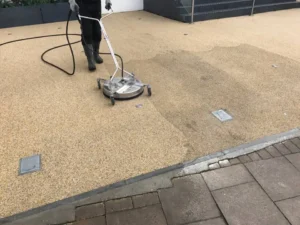
Step 3: Use Gentle Pressure Washing
Pressure washing can be an effective way to remove algae when done correctly. Use a low to medium pressure setting and keep the nozzle at a reasonable distance from the surface.
Direct the water evenly across the driveway rather than focusing on one spot for too long. This helps remove algae while protecting the integrity of the resin.
Step 4: Rinse and Allow the Surface to Dry
Once the algae has been removed, rinse the surface thoroughly with clean water. Allow the driveway to dry naturally before using it again.
After cleaning, most driveways return to their original colour and appearance.
How to Prevent Resin Driveways from Turning Green
Although algae growth is common in damp environments, a few simple steps can significantly reduce the chances of it returning.
Regular Sweeping and Cleaning
Sweeping the driveway every few weeks helps remove leaves and dirt before they begin to break down. Occasional washing with water or a mild cleaner also helps keep the surface fresh.
Keep the Surface Free from Debris
Removing leaves and garden waste prevents organic material from building up on the surface. This simple habit can greatly reduce the nutrients that algae rely on.
Improve Sunlight and Airflow
If parts of the driveway remain permanently shaded, trimming nearby hedges or tree branches may allow more sunlight to reach the surface. Increased airflow can also help the driveway dry more quickly after rainfall.
Schedule Occasional Professional Cleaning
In some cases, homeowners prefer to arrange professional cleaning every year or two. Professional driveway cleaning services can safely remove stubborn algae and restore the surface to its original appearance.
Why Resin Driveways Perform Well in the UK Climate
Despite occasional algae growth, resin bound driveways remain one of the most suitable surfaces for UK homes. Their permeability allows rainwater to drain naturally through the surface, reducing the risk of puddles and standing water.
The combination of natural aggregates and UV-stable resin creates a durable surface that resists cracking and withstands changing weather conditions.
In coastal areas such as Bournemouth, where rainfall and humidity are common, resin driveways offer excellent drainage and long-term durability when properly installed and maintained.
When to Consider Professional Driveway Maintenance
While most algae can be removed with simple cleaning, professional help may sometimes be beneficial. For example, homeowners may consider professional maintenance if the driveway has large shaded areas or if algae has built up over many years.
Professional installers have the experience and equipment needed to clean resin surfaces safely without causing damage. They can also inspect the driveway and provide advice on maintaining its appearance over the long term.
For residents in the Dorset area, local specialists such as BH Resin Driveways can offer guidance on maintaining resin driveways in coastal conditions.
Final Thoughts
If your resin driveway has started turning green, the cause is usually algae growth encouraged by moisture, shade or organic debris. This is a common occurrence for outdoor surfaces, particularly in damp coastal climates.
Fortunately, the problem is usually easy to resolve with gentle cleaning and regular maintenance. By keeping the driveway free from debris, allowing sunlight to reach the surface and occasionally washing it, homeowners can keep their driveway looking fresh and attractive for many years.
With proper care, resin bound driveways remain one of the most durable and visually appealing driveway solutions for homes across the UK.
Frequently Asked Questions
Why does my resin driveway turn green?
Green staining is usually caused by algae or moss growing on the surface. These organisms thrive in damp or shaded areas where moisture remains for long periods.
Can you pressure wash a resin driveway?
Yes, but it should be done carefully using low to medium pressure. Excessively high pressure may damage the surface or loosen aggregates.
How often should resin driveways be cleaned?
Light cleaning every few months is usually sufficient. Sweeping regularly and washing occasionally helps prevent algae and debris build-up.
Will algae damage a resin driveway?
Algae typically affects the appearance rather than the structure of the driveway. However, removing it improves safety and keeps the surface looking well maintained.
How do you stop moss growing on a driveway?
Regular cleaning, removing organic debris and improving sunlight exposure can help prevent moss and algae from developing.