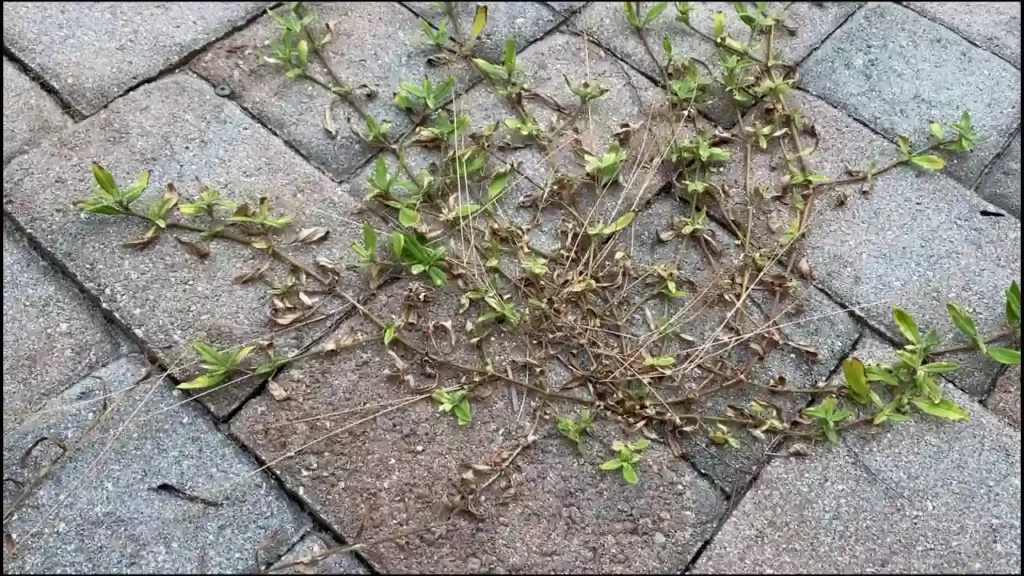
| Quick Answer No. A properly installed resin bound driveway will not let weeds grow through it. The surface is completely sealed with no gaps or joints, so roots from below have no way through. That said, seeds blown by the wind can land on top and begin to grow, and in damp parts of Dorset moss can appear on the surface. Both are very easy to deal with and neither is a reason for concern. |
If you are thinking about having a resin bound driveway fitted at your home in Bournemouth, Poole, Christchurch, Ringwood or Ferndown, one of the questions that will probably come to mind is whether you will still end up spending time pulling weeds out of it. Nobody wants to pay for a brand new driveway and then watch weeds creep across it a few months later.
The encouraging answer is that resin bound driveways are one of the most weed resistant surfacing choices available to homeowners in the UK. In this article we explain clearly why that is, what can occasionally appear on the surface and why, how to deal with it quickly, and why Dorset’s wet coastal weather means moss is something local homeowners should be aware of.
Why Resin Bound Driveways Are Naturally Weed Resistant
To understand why weeds cannot grow through a resin bound surface it helps to know how it is made. Resin bound paving is created by mixing natural stone chips with a clear resin that acts as a binding agent. The mixture is trowelled onto a firm, prepared base and left to set. Once set, it forms a single continuous surface from one edge of your driveway to the other.
There are no joints, no gaps and no seams anywhere across the finished surface. This is the key difference between resin bound paving and most other types of driveway. Block paving, gravel, concrete and tarmac all develop gaps over time where seeds can collect and roots can grow. A resin bound surface does not.
The Surface Has No Gaps for Roots to Use
Because the stones and resin are mixed together and set as a single layer, the surface bonds completely to whatever is underneath it. There is no route for a weed root to grow upwards through the material. Compare this with block paving, where there is a small joint between every single block. Those joints are where seeds settle, moisture gathers and weeds establish themselves year after year.
Resin bound surfacing removes the joints entirely, which is why it requires so much less weeding than block paving over time.
Rain water Drains Through Rather Than Sitting on Top
Resin bound driveways allow rainwater to pass straight through the surface and soak into the ground below. This is what makes them compliant with sustainable drainage rules, which apply in many parts of Bournemouth and Dorset where managing surface water run off is important.
This drainage behaviour also helps with weed resistance. Because water does not collect on top of the surface, there is no standing moisture to help seeds germinate and grow. Seeds that land on a dry resin surface without a supply of water simply do not survive long enough to become a problem.
Can Any Weeds or Plant Growth Still Appear on a Resin Driveway?
Whilst weeds cannot grow through a correctly installed resin bound surface, that does not mean you will never see any plant growth on it at all. There are two situations where something can appear, and it is worth understanding the difference between them. One is minor and simple to fix. The other is more serious and usually points to a problem with how the driveway was installed.
Seeds Blown Onto the Surface by Wind
The most common situation involves seeds carried by the wind from nearby trees, hedges or garden borders. In the right conditions these seeds can land on the surface and start to germinate on top of the resin rather than through it. Because there is no soil for the roots to reach and no joints for them to anchor into, these surface weeds are shallow rooted and short lived.
A firm brush or jet wash is usually all you need to clear them. They will not become established in the way that weeds do in block paving joints because the surface simply does not give them the foothold they need.
Moss and Algae in Dorset’s Coastal Climate
This is a point that is rarely mentioned in articles about resin driveways, and yet it is one of the most relevant things for homeowners in Bournemouth, Poole and Christchurch to know.
Dorset’s south coast has a mild and damp climate. Atlantic weather brings regular rainfall, and the combination of sea air and relatively warm winters creates conditions where moss and algae grow readily on outdoor surfaces. If you have lived in the area for a while you will have noticed how quickly green growth appears on paths, patios and roof tiles during autumn and winter. Resin bound driveways are not immune to this.
Moss or algae on a resin driveway does not mean the surface is failing or that it was poorly installed. It is a straightforward response to the local weather. However it is worth treating it promptly because algae can become slippery when wet, which is a safety risk on a path or driveway approach.
The fix is simple. An annual jet wash combined with an algae or moss treatment applied in early autumn, before the wet season starts, is enough to keep the surface clean and safe throughout the year. Many resin driveway companies in Bournemouth offer this as part of an annual maintenance visit.
Weeds Growing From Cracks or Damaged Areas
If you notice weeds that appear to be growing from within the resin surface itself, with loose stones around them or visible holes, this is a more serious sign. It usually means the surface has either been damaged or was not installed correctly in the first place.
The most common reasons this happens include the following.
- Too little resin used during installation. If the ratio of stone to resin was wrong, the surface will have weak spots that break down over time.
- Poor weather during installation. Resin should not be laid when it is very cold, very hot or raining. The wrong conditions affect how the resin sets and can lead to a weaker surface.
- An unstable base underneath. If the ground beneath the driveway was not prepared properly, movement in the base can cause the surface above to crack.
- Physical damage from heavy vehicles or sharp tools. Metal shovels, large lorries or skips can damage the surface and create entry points for weed roots.
If you suspect your driveway has been poorly installed, the right step is to contact a reputable local installer who can assess the surface and advise on whether repair or replacement of the affected area is needed. Dealing with it early prevents the problem from spreading.
How to Remove Weeds From a Resin Driveway
If you do find weeds, moss or algae on your resin driveway, the following methods are safe to use and will deal with the growth effectively without damaging the surface.
Removing Surface Weeds
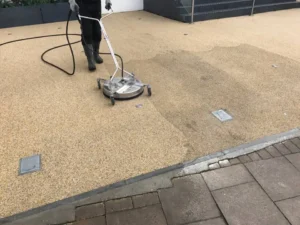
For light surface weed growth, a stiff outdoor brush and warm water is often enough. Work firmly across the surface to dislodge seedlings and clear any organic debris that has collected. A pressure washer used at a sensible distance, around thirty centimetres from the surface, will shift more stubborn growth without causing any harm to the resin.
Use a lance with a fan nozzle rather than a spinning head attachment. A spinning head held too close can scuff the surface finish over time. A regular fan spray at moderate pressure is perfectly effective and much gentler on the material.
Using Weed Killer Safely on Resin Surfaces
Most standard garden weed killers available from garden centres and DIY shops are safe to apply to resin bound driveways. Apply on a dry day and allow the product the time recommended on the packaging. After treatment, rinse the surface well with clean water.
For moss and algae, there are products sold specifically for patio and driveway use that work well on resin surfaces. Steer clear of highly concentrated acid based cleaners as these can weaken the resin binder over a period of time and are not necessary for routine cleaning.
Does Jet Washing Help?
Yes, and it is one of the most effective things you can do to keep a resin driveway clean. A yearly jet wash removes built up dirt, organic matter, moss spores and windblown seeds before they have a chance to cause problems. In Bournemouth and along the Dorset coast where damp conditions are more common than in many parts of the country, a jet wash in spring and a moss treatment in early autumn is a sensible routine to follow.
How to Prevent Weeds on Your Resin Driveway in Bournemouth
A little regular attention goes a long way when it comes to keeping a resin driveway weed free. The following routine will keep your driveway looking clean throughout the year, even in Dorset’s wet coastal climate.
- Sweep leaves and debris from the surface regularly, particularly in autumn. Leaves that sit on the driveway trap moisture and create the ideal conditions for moss and algae spores to take hold.
- Jet wash the surface at least once a year. Spring is a good time, after the winter weather has passed.
- Apply a moss and algae treatment in September or October before the wet season begins. This significantly reduces the amount of green growth that appears over the winter months.
- Keep hedges, borders and trees near the driveway trimmed back to reduce the number of seeds blowing onto the surface.
- If you notice any small areas of damage, such as loose stones or fine cracks, have a local specialist look at them before water or plant growth can make things worse.
Resin Driveway Compared to Block Paving, Gravel and Tarmac for Weeds
If you are deciding between different types of driveway and want to know which will cause the least weed maintenance, the table below gives a clear picture across the most popular options available to homeowners in Bournemouth and Dorset.
| Surface Type | Weeds From Below | Surface Weeds | Moss and Algae | Maintenance Need |
| Resin Bound | No | Very occasional | Possible in damp areas | Low. Annual jet wash |
| Block Paving | Yes, through joints | Common in joints | Likely in the joints | High. Regular weeding |
| Gravel | Yes, through gaps | Very common | Common | High. Frequent raking |
| Concrete | Yes, through cracks | Moderate | Common on joints | Medium |
| Tarmac | Yes, through cracks | Moderate | Common | Medium |
As the table shows, a resin bound surface is the clear winner when it comes to keeping weeds out from below. Surface weeds and moss are still a possibility in damp coastal areas like Dorset, but the maintenance effort required is far less than with block paving, gravel or tarmac over the long term. For homeowners who already spend a good amount of time looking after their gardens, this is a practical and genuine benefit.
Why the Quality of Installation Matters for Weed Resistance
The single biggest factor in how weed resistant your resin driveway will be is how well it was installed. A surface laid correctly, with the right amount of resin, onto a properly prepared firm base, in suitable weather conditions, will resist weeds from below for fifteen years or more with very little effort on your part.
A surface laid with too little resin, onto a poorly prepared base, or in wet or very cold weather, will develop weak spots and eventually cracks that allow moisture and plant growth in from below. This is why choosing a trustworthy, experienced local installer matters so much. It is not just about how the driveway looks on the day it is finished. It is about how it performs over the years that follow.
When getting quotes from companies in Bournemouth, Poole, Christchurch, Ringwood or Ferndown, always ask about how they prepare the base, what resin products they use, and whether their work is covered by a written guarantee. A company that answers these questions clearly and confidently is far more likely to deliver a surface that performs as it should.
At BH Resin Bound Specialists we use UV stable resin systems and premium natural aggregates on every job. We assess the base at your property before any work starts and will tell you honestly if it needs preparation before the resin can be laid. All of our installations are covered by a workmanship guarantee and every surface we lay is compliant with sustainable drainage requirements.
Common Questions About Resin Driveways and Weeds
Do weeds genuinely grow through a resin driveway?
No, not through a properly installed surface. The surface is completely sealed with no gaps or joints, so roots from below cannot push their way up. The only time weeds appear is when the surface has been damaged or was not laid correctly.
What causes weeds to appear on a resin driveway?
The most common cause is seeds blown onto the surface by the wind. These can germinate on top of the resin but cannot anchor themselves properly, so they are easy to remove. Cracks caused by poor workmanship or vehicle damage can also allow weeds to grow up from the ground below.
Is resin better than block paving for keeping weeds away?
Yes, considerably better. Block paving has many small joints between each block where seeds collect and weeds take root easily. A resin bound driveway has no joints at all, which removes the main place where weeds establish themselves.
Why does my resin driveway get moss in Dorset?
Bournemouth and the Dorset coast receive more rainfall and humidity than many parts of the UK. This damp, mild climate makes moss and algae growth common on all outdoor surfaces, including resin driveways. It is not a sign that anything is wrong. A yearly jet wash and an algae treatment in autumn will keep it under control.
Can I use weed killer on a resin bound driveway?
Yes. Most standard garden weed killers are safe to use on resin surfaces. Follow the product instructions carefully and rinse the surface with water afterwards. Avoid highly concentrated acid cleaners as these can wear down the surface material over time.
How do I stop moss growing on my resin driveway in Bournemouth?
Sweep leaves and debris from the surface regularly, as these trap moisture and help moss to grow. Jet wash the driveway once a year and apply a moss or algae treatment each autumn before the wet season starts. This routine is usually enough to keep the surface looking clean throughout the year.
Does a resin driveway need a weed barrier underneath?
A weed barrier is sometimes used as an extra precaution under the base layers, but what matters most is that the base itself is prepared correctly and that the right amount of resin is used. A trusted local installer in Bournemouth or Dorset will advise you on what is needed for your property.