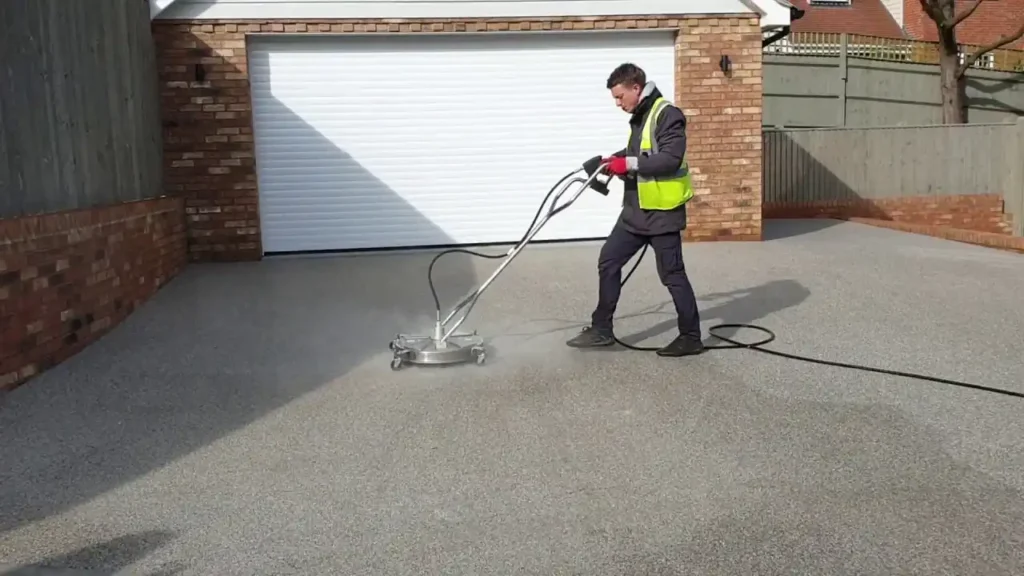
Keeping a resin driveway clean is one of the simplest ways to protect its appearance and lifespan. While resin bound surfaces are known for being low maintenance, they are not completely maintenance-free, especially in the UK where weather conditions play a major role.
In most cases, a resin driveway should be cleaned every 3 to 6 months. However, this can vary depending on location, usage, and exposure to moisture, trees, and coastal conditions.
This guide explains exactly how often you should clean your driveway, what affects that frequency, and how to keep it looking its best throughout the year.
Why Cleaning Frequency Matters for Resin Driveways
A resin driveway is designed to be durable, permeable, and visually appealing. But without regular cleaning, even the best-installed surface can start to lose its quality.
Routine cleaning helps to:
- Prevent moss, algae, and weed growth
- Maintain proper drainage through the surface
- Preserve the colour and finish of the resin
- Extend the overall lifespan of the driveway
In areas like Bournemouth and across Dorset, where damp conditions are common, neglecting maintenance can quickly lead to visible issues such as green patches or blocked drainage.
How UK Climate Affects Resin Driveway Maintenance
The UK climate has a direct impact on how often you need to clean your driveway. Unlike warmer, drier regions, British weather creates the perfect environment for organic growth and surface build-up.
Rain and Moisture Build-Up
Frequent rainfall keeps surfaces damp for long periods. This encourages algae and moss to develop, especially if the driveway does not get much sunlight.
Shaded Areas and Tree Coverage
Driveways located under trees or in shaded spots are more likely to collect leaves, dirt, and moisture. This combination accelerates moss growth and surface staining.
Coastal Conditions in Bournemouth and Dorset
Properties near the coast are exposed to salt air and higher humidity. This can lead to faster build-up of residue and requires more regular rinsing to maintain a clean surface.
Winter and Freeze-Thaw Cycles
During colder months, trapped moisture can freeze and expand. While resin is flexible, dirt and debris left on the surface can contribute to long-term wear if not removed regularly.
Recommended Cleaning Schedule for UK Homes
There is no single rule that applies to every property. The right cleaning frequency depends on how your driveway is used and where it is located.
Standard Residential Driveways
For most homes, cleaning your resin driveway every 3 to 6 months is enough to keep it in good condition.
High-Traffic Driveways
If your driveway is used frequently by multiple vehicles, dirt and tyre marks can build up more quickly. In these cases, cleaning every 2 to 3 months is recommended.
Shaded or Tree-Covered Areas
Driveways that receive little sunlight or are surrounded by trees should be cleaned more often. A monthly light clean can prevent moss and debris from taking hold.
Coastal Properties
Homes in Bournemouth and surrounding coastal areas may require more frequent rinsing due to salt and moisture exposure. Regular light cleaning helps maintain the surface and prevents residue build-up.
Signs Your Resin Driveway Needs Cleaning Sooner
Even if you follow a schedule, it is important to recognise when your driveway needs attention earlier.
Look out for:
- Green patches forming on the surface
- Visible dirt or staining
- Water pooling instead of draining properly
- Small weeds appearing between the aggregates
- A dull or faded appearance
Addressing these signs early can prevent more serious issues and reduce the need for intensive cleaning later.
Best Way to Clean a Resin Driveway
Cleaning a resin driveway does not require specialist equipment in most cases. A simple, consistent approach is usually enough.
Basic Cleaning Method
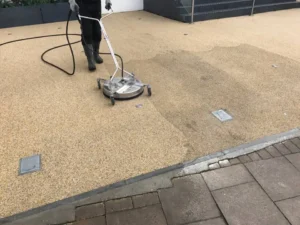
Start by removing loose debris such as leaves and dirt using a stiff brush or broom. Then rinse the surface with clean water to wash away remaining particles. For deeper cleaning, use a mild detergent and gently scrub the area.
Using a Pressure Washer Safely
A pressure washer can be used, but it should be set to a low pressure. Holding the nozzle too close or using excessive force can damage the resin or loosen the aggregate.
Removing Moss, Algae and Weeds
If moss or algae has started to develop, use a suitable cleaning solution designed for driveways. Regular light cleaning will usually prevent these issues from becoming severe.
Can You Clean a Resin Driveway Too Often?
Cleaning your driveway regularly is important, but overdoing it can cause problems.
Excessive pressure washing can weaken the resin surface over time. Similarly, using harsh chemicals may lead to discolouration or damage.
The key is balance. Regular, gentle cleaning is far more effective than occasional aggressive cleaning.
Professional Cleaning vs DIY Maintenance
Most homeowners can manage routine cleaning themselves. However, there are situations where professional help is the better option.
When DIY Cleaning Is Enough
- Light dirt and debris
- Routine maintenance
- Occasional washing and brushing
When to Call Professionals
- Heavy staining or oil marks
- Persistent moss or algae growth
- Drainage issues or blocked areas
- Surface damage or wear
Professional cleaning services use the right equipment and techniques to restore the surface without causing damage.
Resin Driveway Maintenance Tips for UK Homeowners
Keeping your driveway in good condition does not require a lot of effort, but consistency is important.
- Sweep regularly to remove debris
- Clean spills as soon as possible
- Rinse the surface during dry periods
- Follow a seasonal cleaning routine
- Avoid placing heavy or sharp objects on the surface
These simple steps can make a noticeable difference in both appearance and durability.
Common Mistakes to Avoid When Cleaning Resin Driveways
A few common mistakes can reduce the lifespan of your driveway if not avoided.
- Using high-pressure washing too frequently
- Applying strong chemical cleaners
- Ignoring early signs of moss or algae
- Leaving debris to build up over time
Understanding what not to do is just as important as knowing how to clean properly.
Final Thoughts: Keeping Your Resin Driveway Clean Year-Round
Cleaning your resin driveway regularly is one of the easiest ways to protect your investment. In the UK climate, where moisture and organic growth are common, sticking to a consistent cleaning schedule is essential.
For most homes, cleaning every 3 to 6 months will keep the surface in good condition. However, factors such as location, usage, and weather exposure may require more frequent attention.
For homeowners in Bournemouth and surrounding areas, maintaining your driveway properly can make a significant difference in both appearance and lifespan. If you need expert advice or professional cleaning, BH Resin Driveways can help keep your surface looking its best all year round.