Choosing the right surface for a new driveway is an important decision for any homeowner. Two of the most commonly considered materials in the UK are resin bound driveways and tarmac. Both options offer practical benefits, but they differ significantly in terms of cost, durability, drainage and appearance.
For homeowners planning a driveway upgrade, understanding these differences can make it easier to select the most suitable option for their property. In this guide, we compare resin and tarmac driveways in detail, covering installation costs, lifespan, maintenance requirements and visual appeal.
If you are planning a driveway installation in areas such as Bournemouth or the wider Dorset region, the local climate and drainage conditions can also influence which surface performs best.
What Is a Resin Driveway?
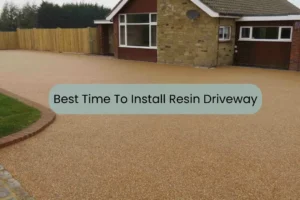
A resin bound driveway is created by mixing natural decorative stones with a clear polyurethane resin. The mixture is then spread evenly across a prepared base to form a smooth, durable surface.
One of the main advantages of resin bound surfacing is that it is permeable. Small gaps between the aggregate stones allow rainwater to drain through the surface naturally, helping prevent standing water and puddles.
Resin driveways have become increasingly popular for residential properties because they offer a combination of durability and attractive design. Homeowners can choose from a wide range of aggregate colours, textures and finishes to complement the style of their home.
Other benefits of resin driveways include:
- strong and flexible surface
- resistance to cracking when installed correctly
- smooth finish suitable for walking and vehicles
- low maintenance compared with traditional paving.
Because of these advantages, resin bound driveways are now widely used across modern residential developments and home renovation projects.
What Is a Tarmac Driveway?
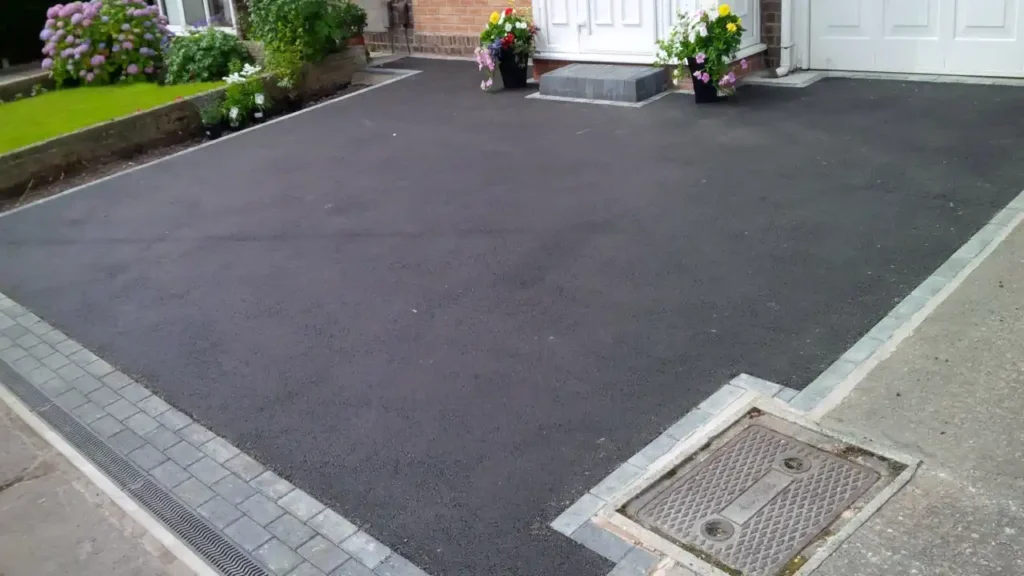
Tarmac, also known as tarmacadam, is a traditional driveway material made from crushed stone mixed with bitumen. The mixture is laid hot and compacted to create a solid, durable surface.
Tarmac has been used for many decades on roads, car parks and residential driveways because it is relatively inexpensive and quick to install. Once laid and compacted, the surface forms a smooth, dark finish that can withstand regular vehicle traffic.
Tarmac driveways are valued for their practicality. They can be installed quickly and provide a strong surface capable of handling heavy loads.
However, compared with resin driveways, tarmac has fewer design options. The surface is usually black or dark grey, and decorative variations are limited.
Resin Driveway vs Tarmac: Key Differences at a Glance
Before exploring each factor in detail, it helps to understand the basic differences between the two surfaces.
Resin driveways are typically chosen for their decorative appearance and drainage benefits, while tarmac is often selected for its lower initial installation cost and practicality.
Key differences include:
- Resin driveways offer a wide range of colours and finishes, while tarmac has a more uniform appearance.
- Resin surfaces are permeable and allow water to drain naturally, whereas tarmac is usually non-permeable.
- Resin driveways generally provide higher kerb appeal, while tarmac is considered a more functional surface.
The best option depends on the homeowner’s priorities, including budget, visual preference and long-term performance.
Cost Comparison: Resin Driveway vs Tarmac
Cost is often one of the first factors homeowners consider when choosing a driveway material.
In most cases, tarmac driveways are cheaper to install than resin bound surfaces. Tarmac requires fewer materials and the installation process is relatively straightforward, which keeps labour costs lower.
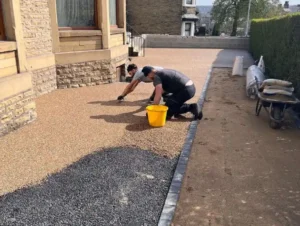
Resin driveways involve mixing decorative aggregates with resin and laying the mixture carefully to achieve an even finish. This process requires specialised installation and higher-quality materials, which increases the initial cost.
Typical UK price ranges can vary depending on the size of the driveway, site preparation requirements and the chosen finish. On average, homeowners can expect resin driveways to cost more per square metre than standard tarmac installations.
However, it is important to consider long-term value as well as initial price. Resin driveways often provide greater visual appeal and can enhance the appearance of a property, which may contribute to improved kerb appeal and overall property value.
Durability and Lifespan
Durability is another key consideration when selecting a driveway surface. Both resin and tarmac can provide long-lasting performance when installed properly, but they differ in how they age over time.
Resin bound driveways are designed to be flexible and resistant to cracking when installed on a properly prepared base. High-quality resin systems can last many years while maintaining their appearance.
Tarmac driveways are also durable, particularly when used for vehicle access areas. However, over time tarmac surfaces may begin to show signs of wear such as fading, small cracks or surface deterioration.
Exposure to sunlight and changing weather conditions can gradually affect the surface, which may require resurfacing or repairs after several years.
Overall, both surfaces are capable of lasting a long time, but resin driveways often maintain their visual appearance for longer with minimal maintenance.
Appearance and Design Options
One of the most noticeable differences between resin and tarmac driveways is their appearance.
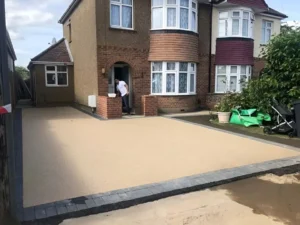
Resin bound driveways are widely appreciated for their decorative finish. The natural aggregate stones used in the mixture come in a variety of colours and textures, allowing homeowners to customise the appearance of their driveway.
Design options include:
- light or dark stone blends
- natural gravel-style finishes
- contrasting borders or patterns.
This flexibility makes resin driveways particularly popular for modern homes or properties undergoing exterior renovation.
In contrast, tarmac driveways typically have a simple dark finish. While this can suit certain properties, the design possibilities are more limited.
For homeowners looking to improve the overall visual impact of their property, resin driveways often offer greater design freedom and a more contemporary look.
Drainage and Environmental Benefits
Drainage performance is an increasingly important factor in driveway design, particularly in areas with regular rainfall.
Resin bound surfaces are naturally permeable, meaning rainwater can pass through the surface and drain into the ground below. This helps prevent puddles and reduces surface water runoff.
Permeable driveways can also support Sustainable Drainage Systems (SuDS), which are designed to manage rainfall more effectively and reduce pressure on drainage infrastructure.
Tarmac, on the other hand, is typically a non-permeable surface. Water runs off the surface rather than draining through it, which means proper drainage channels or slopes may be required during installation.
For homes located in areas that experience frequent rain, permeable surfaces such as resin driveways can provide additional drainage benefits.
Maintenance Requirements
Both resin and tarmac driveways require some level of maintenance, although the type of maintenance differs.
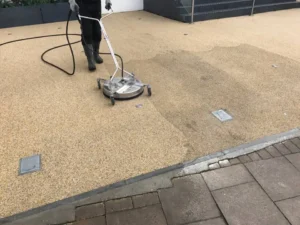
Resin driveways are generally considered low maintenance. Regular sweeping helps remove leaves and debris, while occasional pressure washing can keep the surface clean.
Because the stones are bound together with resin, weed growth is usually minimal compared with loose gravel surfaces.
Tarmac driveways may require more maintenance over time. Cracks can occasionally develop due to temperature changes or ground movement, and resurfacing or sealing may be needed to maintain the appearance and strength of the surface.
While neither option is completely maintenance-free, resin driveways often require less frequent repair work.
Which Driveway Surface Is Better for UK Homes?
The best driveway surface depends on the homeowner’s priorities and the specific conditions of the property.
Tarmac may be suitable for homeowners seeking a simple and cost-effective driveway solution, particularly where appearance is less of a concern.
Resin driveways are often chosen by homeowners who want a more attractive and modern finish, combined with effective drainage and long-term durability.
For residential properties, resin driveways are increasingly viewed as a premium option due to their balance of practicality and visual appeal.
Resin Driveways for Homes in Bournemouth
Local environmental conditions can influence how driveway materials perform. In coastal areas such as Bournemouth and Dorset, rainfall and humidity are common throughout the year.
Permeable surfaces like resin bound driveways can help manage rainwater more effectively by allowing water to drain through the surface rather than collecting on top.
Many homeowners in coastal regions therefore choose resin driveways for their drainage performance as well as their modern appearance.
Local specialists such as BH Resin Driveways provide installation services tailored to the conditions of properties in the region.
Final Thoughts
Both resin and tarmac driveways provide practical surfaces for residential properties, but they offer different advantages.
Tarmac is often chosen for its affordability and straightforward installation, while resin driveways stand out for their modern appearance, permeability and design flexibility.
For homeowners looking to enhance the visual appeal of their property while maintaining durability and effective drainage, resin driveways are increasingly becoming the preferred choice.
Before making a decision, it can be helpful to consult experienced local installers who can assess the property and recommend the most suitable surface based on budget, usage and environmental conditions.
Frequently Asked Questions
Is a resin driveway more expensive than tarmac?
Yes, resin driveways generally cost more to install than standard tarmac driveways because of the materials and installation process involved.
Which driveway lasts longer?
Both materials can last many years when installed properly, but resin driveways often maintain their appearance longer with less resurfacing.
Do resin driveways crack?
When installed on a suitable base by experienced professionals, resin driveways are designed to be flexible and resistant to cracking.
Is tarmac suitable for residential driveways?
Yes, tarmac is commonly used for residential driveways because it is strong and relatively inexpensive.
Which driveway improves kerb appeal the most?
Resin driveways typically offer greater visual appeal due to their decorative stone finish and colour options.