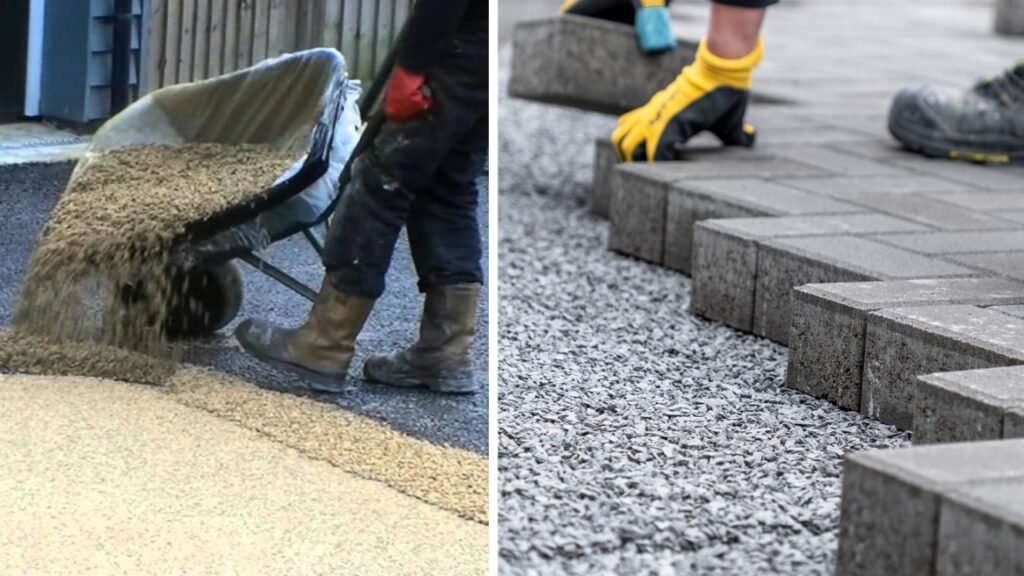
Winter in Bournemouth brings a familiar challenge for homeowners. While snow is rare, rain is not. Prolonged wet weather, damp ground and coastal moisture put driveways under constant pressure. Over time, this exposes weaknesses in certain driveway surfaces and raises an important question for homeowners planning a new installation.
When it comes to handling winter rain, how does a resin driveway compare to block paving? At BH Resin Bound Specialist, we regularly advise homeowners across Bournemouth and Dorset on the most suitable driveway options for local conditions. This guide explains how both surfaces perform during wet winters and which one handles rain more effectively.
Why Winter Rain Is a Real Problem for Bournemouth Driveways
Bournemouth has a coastal climate that creates unique challenges for outdoor surfaces. Winter rainfall is often steady rather than extreme, which means the ground stays saturated for long periods. Moist sea air slows evaporation and keeps surfaces damp even when the rain stops.
Nearby coastal areas such as Poole experience similar conditions, while places like Christchurch also deal with moisture from rivers and estuaries. Inland areas such as Ferndown and Ringwood tend to see colder ground and heavier saturation during winter.
For driveways, this means water is rarely far away. Any surface that struggles with drainage will show signs of wear, pooling or instability during winter months.
How Resin Driveways Handle Winter Rain
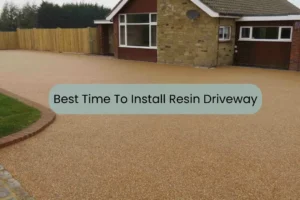
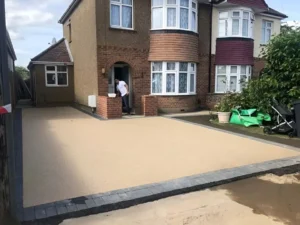
Resin driveways are designed with drainage at their core. A resin bound surface is permeable, meaning water does not sit on top of the driveway. Instead, it passes through the surface and drains away naturally.
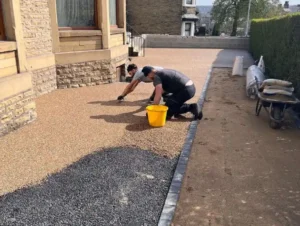
The driveway is formed using natural stone mixed with a clear resin binder. When laid correctly, the stones create an open structure that allows water to filter through evenly across the surface. This reduces surface water build-up and prevents puddles forming after prolonged rainfall.
This design works in line with SuDS principles, which aim to manage rainwater at ground level rather than forcing it into drains. During Bournemouth’s wet winters, this makes a noticeable difference in how usable and safe the driveway remains.
How Block Paving Performs During Winter Rain
Block paving is a popular driveway choice, but it behaves very differently in wet conditions. Individual blocks are laid on a sand base with joints filled using jointing sand. While this allows some water to pass through initially, the system relies heavily on the condition of the joints and base below.
During prolonged winter rain, jointing sand can wash out. When this happens, water begins to collect between blocks rather than draining away efficiently. Over time, this can lead to uneven surfaces, loose blocks and visible puddles.
Block paving also tends to encourage weed and moss growth during damp conditions. Moisture trapped in joints creates the perfect environment for organic growth, which can make the surface slippery and harder to maintain in winter.
Resin vs Block Paving: Drainage Comparison
When comparing drainage, the difference between resin and block paving becomes clear.
Resin driveways allow water to drain vertically through the surface. This means water does not rely on slopes, channels or gaps between materials to escape. Even during heavy or prolonged rain, the surface remains clear of standing water.
Block paving relies on horizontal movement of water. Rain must either drain through joints or run across the surface towards the edges. In winter, when joints become compacted or washed out, this process slows down, leading to pooling and surface runoff.
For homes in Bournemouth where winter rain is frequent, this difference in drainage performance is often the deciding factor.
Safety in Wet Winter Conditions
Safety is a major concern during winter, especially on driveways that are used daily.
Resin driveways have a textured finish created by the natural stone aggregate. This texture provides grip underfoot and under tyres, even when the surface is wet. Because water drains through the driveway rather than sitting on top, there is less chance of slippery patches forming.
Block paving surfaces can become uneven as joints shift and blocks move. Combined with algae growth and standing water, this can create slip hazards during wet or icy mornings. Puddles that freeze overnight further increase the risk.
For households with children, older residents or frequent visitors, surface safety during winter rain is an important consideration.
Durability and Long-Term Performance in Wet Climates
Resin driveways are flexible by nature. The resin binder allows the surface to accommodate small movements caused by temperature changes and ground conditions. This flexibility helps the driveway cope with repeated wet winters without cracking or lifting.
Block paving is more rigid. As water freezes and thaws between blocks, movement becomes more likely. Over time, this leads to uneven surfaces that require re-levelling and joint repairs.
From a long-term perspective, resin driveways tend to maintain their appearance and performance more consistently in wet climates like Bournemouth.
Local Factors That Influence Driveway Performance
Coastal moisture plays a role in how all driveway surfaces age. Salt in the air settles on surfaces and can encourage algae growth during damp weather. Resin driveways cope well with this environment, particularly when rinsed occasionally to remove surface residue.
Block paving, with its multiple joints and gaps, gives moisture more places to linger. This can accelerate staining and organic growth, especially in shaded areas.
These local factors make drainage and surface design especially important for Bournemouth homes.
Winter Maintenance: Resin vs Block Paving
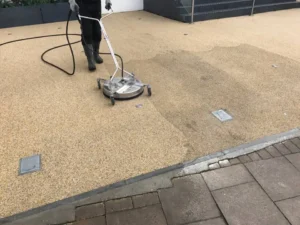
Maintaining a resin driveway during winter is straightforward. Regular sweeping removes leaves and debris that could block drainage pores. Occasional rinsing helps keep the surface clean and free from salt build-up.
Block paving requires more attention. Joints often need re-sanding after winter, weeds must be removed, and uneven blocks may need to be reset. Over time, this additional maintenance increases both cost and effort.
For homeowners who prefer a low-maintenance solution during wet winters, resin driveways offer a clear advantage.
Which Handles Winter Rain Better in Bournemouth?
When comparing resin and block paving purely on winter rain performance, resin driveways consistently come out ahead. They drain water more effectively, reduce puddles, improve safety and require less maintenance during wet conditions.
Block paving can still be suitable in certain situations, but it demands more upkeep and is more prone to winter-related issues in areas with frequent rainfall.
For many Bournemouth homeowners dealing with persistent winter rain, resin driveways provide a more reliable and practical solution.
Final Thoughts
Choosing the right driveway surface is about more than appearance. In Bournemouth, winter rain is a constant factor that should not be overlooked. Resin driveways handle wet conditions more effectively than block paving, offering better drainage, improved safety and lower maintenance over time.
If you are considering a new driveway or planning ahead for spring, BH Resin Bound Specialist can provide expert advice tailored to local conditions. A well-chosen driveway now can save time, cost and inconvenience through many winters to come.
Frequently Asked Questions
Does block paving flood during winter rain?
Block paving can suffer from pooling and flooding if joints become compacted or washed out.
Are resin driveways better for wet weather?
Yes. Resin driveways are permeable and allow water to drain through the surface, reducing puddles.
Which driveway drains water faster?
Resin driveways drain water more efficiently because drainage occurs across the entire surface.
Is resin safer than block paving in rain?
Resin surfaces offer better grip and fewer puddles, making them safer in wet conditions.
What driveway surface suits Bournemouth winters best?
For frequent winter rain and coastal conditions, resin driveways are often the better choice.