
When winter arrives, many homeowners start to worry about how their driveway will cope with colder weather. Rain, frost, ice and damp air can all take a toll on outdoor surfaces. In coastal areas like Bournemouth, winter brings frequent rainfall, mild frosts and salty sea air, all of which can expose weaknesses in poorly chosen driveway materials.
Resin bound driveways are often described as low maintenance and long lasting, but how do they really perform during winter months? At BH Resin Bound Specialist, we install and maintain resin driveways across Dorset and regularly see how they behave through the colder season. This guide explains what homeowners can realistically expect from a resin driveway in winter and why it remains a strong choice for coastal and inland homes.
What Winter Conditions Mean for Driveways in Coastal Areas
Winter weather affects driveways differently depending on location. Coastal towns experience higher moisture levels, while inland areas are more exposed to frost.
Typical Winter Weather in Bournemouth and Nearby Areas
Bournemouth winters are generally mild compared to other parts of the UK, but they are also wet. Regular rainfall, damp air and occasional cold snaps are common. Nearby areas such as Poole and Christchurch share similar conditions, with added humidity from harbours and rivers. Inland locations like Ferndown and Ringwood tend to experience colder nights and heavier frost, along with more leaf debris.
These differences matter because driveway surfaces react to moisture and temperature changes in different ways. A surface that traps water or cracks easily will struggle through winter.
Are Resin Driveways Suitable for Winter Weather?
How Resin Bound Surfaces React to Cold Temperatures
A resin bound driveway uses a flexible resin binder combined with natural stone. This flexibility is important in winter because it allows the surface to cope with small movements caused by temperature changes. Unlike rigid materials such as concrete, resin bound surfaces can expand and contract slightly without cracking.
This flexibility makes resin driveways well suited to cold weather. Even when temperatures drop overnight and rise again during the day, the surface remains stable.
Do Resin Driveways Crack or Lift in Winter?
Understanding Freeze and Thaw Movement
One of the biggest causes of driveway damage in winter is the freeze and thaw cycle. Water enters small gaps in the surface, freezes, expands and then contracts again when temperatures rise. Over time, this movement can break apart rigid materials.
Why Resin Driveways Are Less Prone to Cracking
Resin bound driveways are designed to drain water away rather than trap it on the surface. Because water passes through the driveway, there is less moisture sitting on top to freeze. When installed correctly to standards such as BS 7533, the structure below the resin layer also supports proper drainage. This reduces pressure on the surface and helps prevent cracking or lifting during winter.
Are Resin Driveways Slippery in Winter?
Slip Resistance in Wet and Icy Conditions
Safety is a common concern during winter. Many homeowners ask whether resin driveways become slippery when it rains or freezes. Resin bound surfaces have a textured finish created by the natural stone aggregate. This texture provides grip underfoot and under tyres, making the surface safer than smooth concrete when wet.
How Drainage Improves Winter Safety
Because resin bound driveways are permeable, water does not pool on the surface. Standing water is one of the main causes of icy patches. By allowing water to drain through, resin driveways reduce the chance of ice forming in the first place. This makes them a safer option during wet and cold conditions.
How Resin Driveways Handle Heavy Winter Rain
The Role of Drainage in Winter Performance
Winter in Bournemouth often means prolonged periods of rain. A key advantage of resin bound driveways is their drainage capability. Water filters through the surface and into the ground below rather than running across the driveway or towards the property.
This design aligns with SuDS principles, which aim to manage surface water in a natural and controlled way.
Why Resin Driveways Avoid Puddles
Traditional surfaces such as concrete and standard tarmac are not permeable. During heavy rain, water has nowhere to go and puddles form. Resin bound surfaces avoid this problem by letting water pass straight through. Even during prolonged rainfall, the driveway remains usable and free from standing water.
Coastal Winter Challenges and How Resin Copes
Salt Air and Moisture Near the Coast
Homes close to the sea face an additional challenge in winter. Salt carried in the air settles on outdoor surfaces. Over time, this can dull the appearance of some materials or cause surface breakdown.
Resin bound driveways cope well with this environment, especially when they are rinsed occasionally during winter to remove salt residue. This simple step helps preserve the surface and keeps it looking clean.
Coastal and Inland Differences
Coastal areas like Bournemouth and Poole deal more with moisture and salt, while inland areas such as Ferndown and Ringwood experience heavier frost and more organic debris. Resin driveways perform well in both settings, provided basic winter care is followed.
Comparing Resin Driveways to Other Surfaces in Winter
Resin vs Block Paving
Block paving often shifts over time, particularly when water freezes between the joints. Weeds and moss can also become a problem in winter. Resin bound driveways are laid as a single, solid surface, which reduces movement and limits organic growth.
Resin vs Tarmac and Concrete
Concrete and standard tarmac are more likely to crack in cold weather and tend to hold water on the surface. Resin bound driveways remain flexible and drain water effectively, making them more reliable through winter conditions.
Winter Maintenance Tips for Resin Driveways
Simple Steps to Protect Resin During Winter
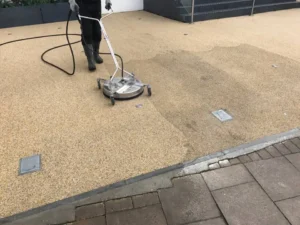
Maintaining a resin driveway in winter is straightforward. Regular sweeping removes leaves and debris that could block drainage pores. Occasional rinsing with clean water helps remove salt and surface dirt.
What to Avoid During Cold Weather
Avoid using harsh chemicals or metal tools on the surface. If grip is needed during icy conditions, a small amount of sharp sand is safer than salt. These simple habits help keep the driveway in good condition throughout winter.
Is Winter a Good Time to Install a Resin Driveway?
Temperature Requirements for Installation
Resin bound driveways need mild, dry conditions to be installed correctly. For this reason, most installations are scheduled outside the coldest winter months.
Why Winter Is Ideal for Planning
While winter may not be the right time to lay a resin driveway, it is an excellent time to plan. Booking during winter allows homeowners to secure installation slots for spring or early summer. Many people in Bournemouth choose this approach to avoid delays during busier seasons.
Final Thoughts:
Resin bound driveways perform reliably through Bournemouth winters thanks to their flexibility, drainage and textured surface. They handle rain, frost and coastal moisture better than many traditional driveway materials. With simple care, they remain safe, attractive and durable throughout the colder months.
If you are planning a new driveway or considering an upgrade, BH Resin Bound Specialist can provide expert advice and installation tailored to local conditions. Winter is the perfect time to plan ahead and ensure your driveway is ready for the year ahead.
Frequently Asked Questions
Are resin driveways safe in icy conditions?
Yes. The textured surface and good drainage reduce the risk of slipping compared to smooth materials.
Can frost damage a resin driveway?
When installed correctly, resin driveways cope well with frost and are less prone to cracking than concrete.
Does heavy rain affect resin driveways in winter?
No. Resin bound driveways are designed to handle rainfall by allowing water to drain through the surface.
How do resin driveways compare to block paving in winter?
Resin driveways tend to remain more stable and require less winter maintenance.
What winter maintenance does a resin driveway need?
Simple sweeping and occasional rinsing are usually enough to keep it performing well.