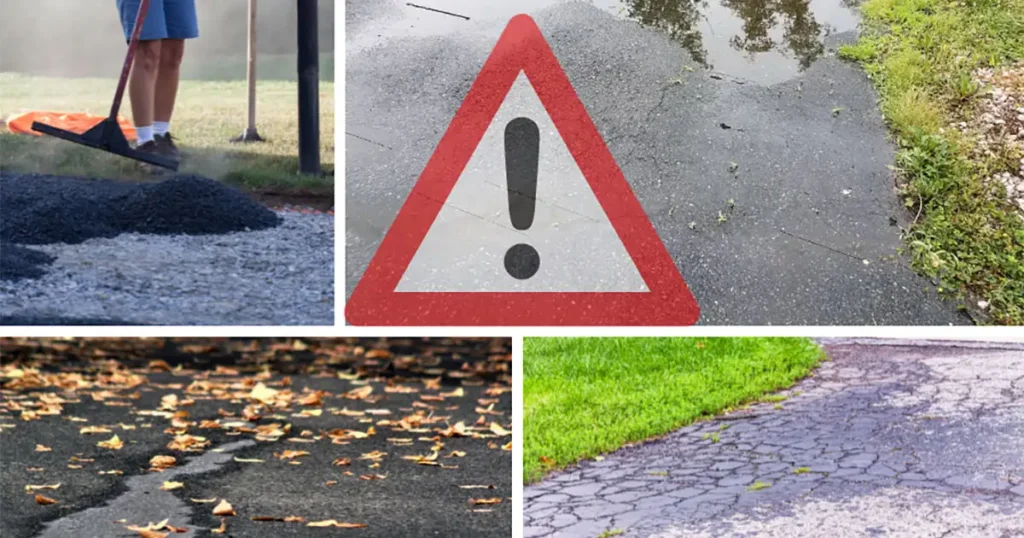
A resin bound driveway can transform the look of a home. It stays smooth, attractive and low-maintenance for years when it is cared for correctly. Most problems people face with resin driveways do not come from the material but from simple maintenance mistakes that build up over time. In a county like Dorset, where coastal moisture, salt air, tree debris and regular rainfall are part of everyday life, knowing how to look after this surface properly makes a big difference.
At BH Resin Bound Specialist, we work with homeowners across Bournemouth, Poole, Christchurch, Ferndown and Ringwood, and we often see the same issues appear again and again. This guide highlights the common mistakes people make with resin driveway maintenance and how to avoid them, so your driveway stays clean, strong and long-lasting.
Why Resin Driveway Maintenance Matters for Long-Term Performance
Resin bound driveways are known for being low maintenance, but they still need care to stay in excellent condition. Everyday habits affect how the surface drains, how it handles weather and how it holds its colour. When mistakes are repeated, the small issues begin to show through. Blocked drainage pores, algae growth, surface dulling, cracking or stone loss can all be prevented with the right approach.
Good maintenance protects your investment and ensures the driveway stays strong under foot and vehicle traffic. Most importantly, it keeps the surface permeable, which reduces puddling and makes the driveway safer in wet weather.
Mistake 1: Using Harsh Chemicals
Many homeowners believe strong cleaning products offer the best results, but resin driveways need a gentle approach. Harsh chemicals, bleach and aggressive cleaners can weaken the resin and cause discolouration. They can also strip the protective coating that gives the driveway its clean, bright look.
How Chemicals Damage Resin Surfaces
Chemical cleaning agents can break down the resin and affect the bond between the stones. Over time, this can cause patches of dullness or darkened areas. It may even lead to surface softening. This type of damage is more common in coastal areas such as Bournemouth or Poole, where homeowners try to counteract salt buildup with heavy cleaning products.
Safe Alternatives for Cleaning
The best cleaning method is simple. Warm water, mild detergent and a soft brush keep the surface clean without harming the resin. A gentle rinse every few weeks helps maintain the natural colour and prevents dirt from settling into the surface pores.
Mistake 2: Jet Washing Too Close or Too Strong
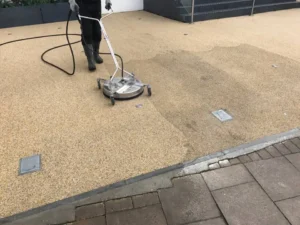
Resin driveways can be cleaned with a pressure washer, but many people unknowingly use a level of pressure that is too strong. A high-powered jet aimed too close to the surface can loosen stones, open small cracks or damage the permeable structure of the driveway.
Why High Pressure Damages the Surface
The force of a strong jet can push water deep under the stones and break the resin bond. This weakens the surface and leads to uneven patches. If the pores become damaged, the driveway may also lose some of its drainage ability.
How to Use a Pressure Washer Safely
Keep the nozzle at a comfortable distance, use a wide spray pattern and avoid holding it in one spot. A low to medium pressure setting is enough to clean the surface. Many homeowners choose professional driveway cleaning because the equipment is calibrated to protect resin bound systems.
Mistake 3: Allowing Debris, Moss or Algae to Build Up
Debris is one of the most common causes of blocked pores on resin driveways. When leaves, soil, dust and algae collect on the surface, they reduce permeability and lead to puddles. If the driveway is not swept regularly, this debris becomes compacted and harder to remove.
How Debris Blocks Permeability
The drainage pores are small and can easily become clogged. Once this happens, water can no longer flow through the surface effectively. This leads to slippery patches during rain and increases the chances of moss and algae growth.
Why Dorset Homes Need Extra Attention
Coastal towns like Bournemouth, Poole and Christchurch have higher moisture levels due to sea air. This increases the growth of algae on outdoor surfaces. Inland areas such as Ferndown and Ringwood tend to experience more leaf fall and soil movement from nearby trees. Both environments require regular sweeping to prevent debris settling into the driveway surface.
Simple Ways to Keep the Surface Clear
A weekly sweep with a soft broom helps keep the surface open and permeable. Occasional rinsing with warm water prevents dust from compacting. If algae begins to form, use a gentle resin-safe cleaning solution to remove it before it spreads.
Mistake 4: Ignoring Salt, Sea Spray and Winter Conditions
Winter brings extra challenges for resin driveways, particularly in coastal parts of Dorset. Salt from the sea or from winter road treatments can leave a powdery film on the surface. If ignored, this buildup can dull the finish and weaken the resin over time.
How Coastal Weather Affects Resin Bound Surfaces
Sea spray carries salt which settles on driveways near the coast. This is very common in Bournemouth and Poole. If salt stays on the surface during winter, frost can push it deeper into the resin. This leads to discolouration and reduced surface strength.
Winter Maintenance Tips
Instead of rock salt, use a little sharp sand for grip during icy spells. Once temperatures rise, rinse the driveway to remove any remaining salt. Keeping debris and water away from the surface during cold periods also prevents frost damage.
Mistake 5: Parking Heavy Vehicles in the Same Spot
A resin bound driveway is strong, but prolonged pressure in the same area can accelerate wear. This includes leaving caravans, trailers or heavy vans parked for long periods.
How Weight Affects the Surface
Long-term pressure compresses the stones and leads to uneven patches. It may also leave tyre indentations if the weight sits in one place for too long.
Best Practices for Everyday Use
Move vehicles slightly from time to time. If heavy loads are expected for long periods, place boards under the wheels to distribute the weight.
Mistake 6: Dragging Bins, Metal Objects or Sharp Edges
Sharp or rough objects can scratch the resin and mark the surface. This includes dragging bins, garden equipment or metal tools across the driveway.
Why Scratches Appear
The top layer of the resin is protective. When it is scraped by a sharp edge, the finish becomes dull and the decorative stones become more exposed.
How to Move Items Safely
Lift bins when possible, or ensure they roll smoothly without scraping. Do not pull metal edges, ladders or heavy items across the driveway. If you need to move heavy objects, place a protective sheet under them.
Mistake 7: Skipping Annual Inspections
Most homeowners overlook annual inspections because the driveway still looks fine. However, small issues often go unnoticed until they become serious.
Why Annual Inspections Matter
A quick visual check helps identify early signs of wear, drainage problems or minor cracks. Addressing these early prevents larger issues that cost more to repair.
When to Call a Professional
If the driveway is showing signs of surface wear or dullness, a professional clean or reseal can restore its appearance. At BH Resin Bound Specialist, we provide yearly maintenance checks across Dorset to keep surfaces in excellent condition.
How to Maintain Proper Drainage on a Resin Driveway
The drainage pores are an essential part of a resin bound surface. Keeping them open ensures water continues to flow through the driveway naturally. Regular sweeping, washing and prompt removal of debris are all important. After heavy rain or storms, check the driveway for areas where water is not draining as quickly. A simple clean often solves the problem.
Local Maintenance Tips for Homes in Dorset
Dorset has a varied climate across its towns.
Bournemouth, Poole and Christchurch experience moist sea air that encourages moss and algae. These homes benefit from regular rinsing and occasional deep cleaning.
Ferndown and Ringwood face more leaf debris and soil movement from nearby woodland areas. Sweeping these driveways more often helps maintain permeability and prevents staining from decomposing leaves.
Understanding the local climate helps homeowners look after their driveway more effectively.
Final Thoughts
A resin bound driveway is a long-lasting investment when cared for properly. Avoiding common mistakes and understanding how local weather affects the surface helps your driveway stay strong, safe and attractive for many years. Regular cleaning, gentle washing and seasonal maintenance prevent most problems from developing.
If you would like professional help with cleaning, resealing or maintenance, contact BH Resin Bound Specialist. We provide expert resin driveway care across Dorset and are always happy to advise homeowners on the best way to protect their surface.