A well-installed resin driveway is more than a good-looking surface. It is designed to manage rainwater naturally and help reduce the risk of puddles and flooding. This is especially important for homeowners in Dorset, where the mix of coastal air, rain and changing weather can challenge outdoor surfaces. A resin bound driveway stands out because of its ability to drain water efficiently, while staying neat, smooth and strong throughout the year.
At BH Resin Bound Specialist, we install resin driveways across the region and see first-hand how good drainage improves both performance and longevity. Understanding how this drainage works, and why SuDS compliance matters, helps homeowners make confident choices for their property.
What Makes Resin Driveway Drainage Different?
Not all paving systems handle water the same way. Some surfaces allow water to pass through them, while others trap it on top. Resin bound driveways belong firmly in the first category.
Understanding the Permeable Structure of Resin Bound Surfaces
A resin bound surface is created by mixing natural stone with a clear resin. Every stone is fully coated and locked into position, but small gaps remain between each piece. These tiny voids form a continuous network that allows water to travel through the surface rather than sitting on top.
This is what gives resin bound systems their permeability. Instead of pooling, water flows gently through the surface and into the prepared sub-base below. This movement is natural and helps the surface stay cleaner, safer and resistant to frost.
How Water Moves Through a Resin Bound System
Water enters the surface through the small gaps between the stones. From there, it filters through the full depth of the resin layer. It then reaches the sub-base, which is usually made from a free-draining layer such as MOT Type 3 or a porous tarmac foundation. These layers allow water to move into the soil underneath without creating pressure or directing water towards unwanted areas.
This entire process works quietly in the background, even during heavy rainfall. When the system is installed correctly, the surface remains dry to walk on, and you avoid the puddles often seen on concrete or standard tarmac.
Why SuDS Compliance Matters
SuDS stands for Sustainable Urban Drainage Systems. In simple terms, SuDS is a national approach to managing rainwater in a more environmentally friendly way. It aims to reduce flooding, protect drainage networks and allow water to return naturally to the ground rather than overwhelming sewers.
What SuDS Means for Homeowners
A permeable driveway helps you stay in line with modern drainage expectations. Many local councils prefer surfaces that assist with natural water flow. Non-permeable driveways over a certain size often require planning permission because they increase the risk of surface water runoff.
A resin bound driveway, when installed correctly, is recognised as a SuDS compliant surface. This means most homeowners can install one without the need for additional drainage approval.
How Resin Bound Meets SuDS Requirements
Because the surface allows rainwater to drain straight through it, the driveway behaves like a natural filter. It reduces the amount of runoff entering the roads and drains, which is important in areas that experience frequent rainfall. For homeowners, this means fewer drainage costs, less risk of pooling, and a surface that remains safe in wet conditions.
When Extra Drainage May Still Be Needed
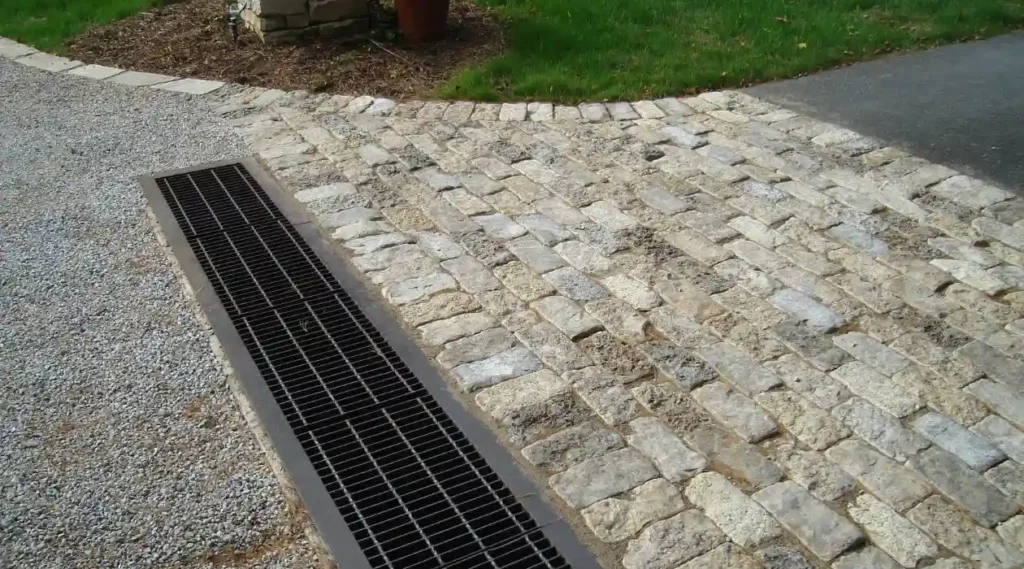
Although resin bound surfaces are permeable, some properties require additional drainage help. This may happen if the soil underneath the driveway does not drain well, or if the area is on a steep slope. In these cases, installing a soakaway or a small drainage channel along the edge of the driveway can support the natural permeability of the resin.
Installation Factors That Affect Resin Driveway Drainage
The drainage performance of a resin bound driveway relies heavily on how it is installed. Even the best materials cannot compensate for a poorly prepared base.
Why the Base Matters More Than the Surface Layer
The sub-base determines how effectively water disperses. A resin driveway must sit on a free-draining foundation. A typical installation uses a compacted MOT Type 3 base that allows water to move freely. A porous tarmac layer may be added on top to assist the drainage flow.
If the base is not prepared correctly, the driveway will not drain as intended. This can lead to pooling or soft spots that weaken the structure over time.
How Professional Installers Ensure Proper Drainage
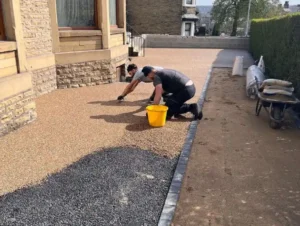
Experienced installers check the soil type, slope and natural water flow before starting. They use the correct depth of aggregate and ensure the sub-base is compacted evenly. They also check the permeability level during installation to confirm that the water is passing correctly through the surface.
At BH Resin Bound Specialist, we follow strict installation standards to ensure the surface drains efficiently in different weather conditions across Dorset.
What Causes Drainage Problems on Resin Driveways?
Although resin bound driveways are known for their good drainage, certain factors can interfere with their performance.
Water Pooling on the Surface
This usually happens when the tiny drainage pores become blocked. Dirt, leaves, dust and organic materials can sit in the gaps and reduce permeability. Regular cleaning prevents this and helps the surface remain free-flowing.
Ground Saturation
Even when the surface is fully permeable, water may drain slowly if the soil underneath becomes saturated. This can occur in areas with frequent heavy rain or in parts of Dorset with clay soil. Additional drainage solutions may help in these situations.
Improper Installation
If the surface has been laid too thinly or the stone and resin were not mixed correctly, the driveway may lose permeability. This is one reason why DIY kits often fail to match the performance of a professionally installed system.
How to Maintain Good Drainage on a Resin Driveway
Good maintenance supports natural drainage and protects the driveway from long-term issues.
Simple Cleaning to Keep the Pores Clear
Sweep the driveway every week to remove debris. A few times a year, use warm water and mild detergent to wash the surface. This removes fine dust, pollen and salt particles from the coast that can settle over time.
Preventing Moss and Algae
Homes near Bournemouth, Poole and Christchurch may experience more moisture from sea air, which encourages moss growth. Inland areas such as Ferndown and Ringwood tend to collect more leaves and soil from nearby planting. Cleaning the surface regularly prevents these materials from blocking the drainage pores.
When to Call a Professional
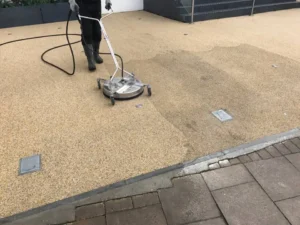
An annual clean carried out by a specialist helps maintain proper drainage. Professionals use controlled pressure washers and safe cleaning solutions to remove compacted dirt without harming the resin. They can also check whether the driveway needs minor repairs or an additional protective coat.
Resin Driveway Drainage and Dorset’s Climate
Dorset experiences a mix of coastal winds and steady rainfall throughout the year. These conditions make permeable surfaces particularly useful for local homes.
Rainfall Patterns in Dorset
Frequent showers mean that any driveway which cannot drain water effectively will develop puddles. Resin bound systems reduce this risk by allowing water to pass straight through the surface. This helps keep the driveway safe to walk on even during winter months.
Coastal vs Inland Conditions
Coastal towns such as Bournemouth and Poole receive more sea spray, which leaves a fine layer of salt on outdoor surfaces. Inland areas are more affected by leaves and soil. In all cases, drainage performance remains strong when the surface is kept clean.
Why Resin Suits Local Homes
The combination of permeability, durability and low maintenance makes resin bound driveways a practical choice for local weather. They handle rainfall, resist frost and dry quickly after a storm, making them a popular option across Dorset.
Comparing Resin Drainage with Other Driveway Materials
A resin bound driveway offers better drainage than many traditional surfaces.
- Block paving has small gaps that allow some water to escape, but these often fill with dirt and lose permeability.
- Concrete and standard tarmac are non-permeable and require full drainage systems to manage runoff.
- Resin bonded surfaces do not allow water to pass through at all.
A resin bound surface remains one of the most effective solutions for managing natural water flow on domestic driveways.
Final Thoughts
A resin bound driveway combines beauty with practical benefits. Its ability to drain water naturally makes it a reliable choice for properties in Dorset, where rain and changing weather are part of daily life. When installed on a proper base and maintained with simple cleaning, the drainage performance stays strong for many years.
If you want expert advice or professional installation, contact BH Resin Bound Specialist. We are experienced in creating SuDS compliant, permeable resin driveways that stay durable, attractive and safe throughout the seasons.