Resin driveways have become one of the most popular ways to upgrade the front of a home. They’re modern, tidy, and designed to last. Yet many homeowners find themselves torn between two similar options — resin bound and resin bonded surfaces.
At first glance, they look alike, but their performance, drainage, and longevity are quite different. Understanding those differences can help you choose the right surface for your property and avoid long-term maintenance headaches.
In this guide, the experts at BH Resin Bound Specialist explain the difference between resin bound and resin bonded driveways, how each one performs, and which is the best choice for lasting results.
Understanding the Difference Between Resin Bound and Resin Bonded Driveways
Both driveway types are made using a mix of resin and decorative stones, but the way they’re applied changes how they behave.
What Is a Resin Bound Driveway?
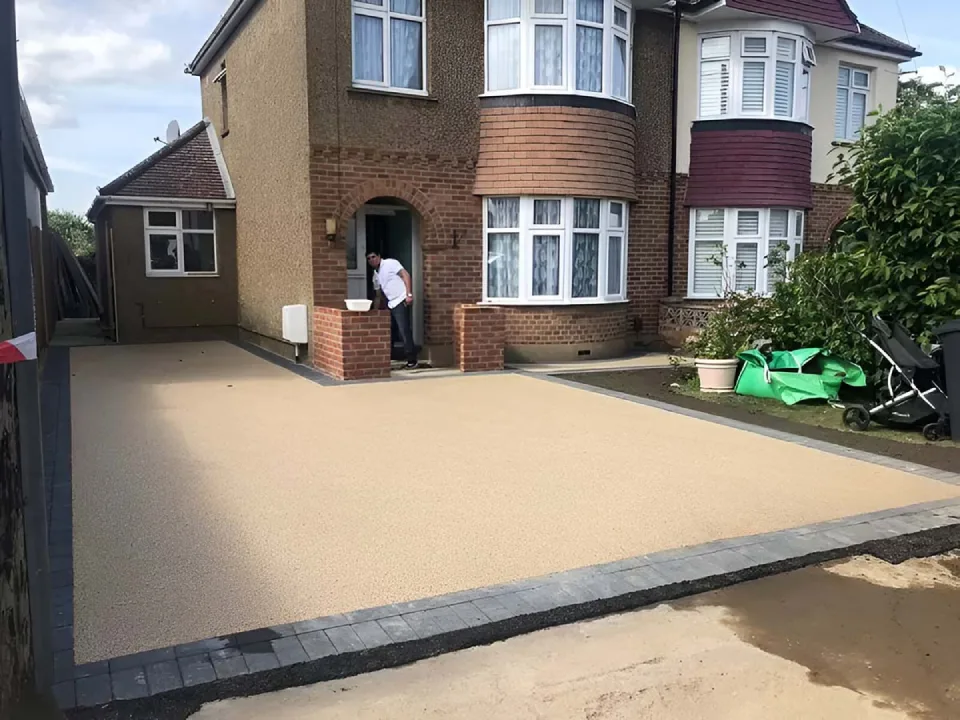
A resin bound surface is created by mixing clear polyurethane resin with dried natural stone before it’s laid. The mixture is trowelled by hand to form a smooth, seamless layer. Because every stone is coated in resin, the gaps between them remain open, allowing water to drain through naturally.
This makes resin bound surfaces SuDS compliant, meaning they meet the Sustainable Urban Drainage System standards used across the UK. They’re fully permeable, slip resistant, and UV stable, so they keep their colour and structure for years.
What Is a Resin Bonded Driveway?
A resin bonded surface looks similar but is installed in a completely different way. The resin is spread over the base first, and the decorative stones are sprinkled across the top before it cures. The result is a textured, gravel-like finish with plenty of grip.
Because the stones sit on top rather than being fully bound together, this type of surface isn’t permeable. It needs separate drainage to prevent water pooling and is best suited to lighter traffic areas such as paths or courtyards.
Resin Bound vs Resin Bonded: Key Differences Explained
Both types have their benefits, but their technical differences matter when it comes to durability, maintenance, and drainage.
| Feature | Resin Bound | Resin Bonded |
|---|---|---|
| Drainage | Fully permeable, SuDS compliant | Non-permeable, needs drainage |
| Finish | Smooth and seamless | Textured, natural look |
| Maintenance | Very low | Moderate – may need resealing |
| Durability | Long lifespan with proper base | Shorter lifespan under heavy use |
| Surface Feel | Flat and firm | Slightly rough and gritty |
| Cost | Higher initial cost, lower upkeep | Lower cost, more maintenance |
Resin bound driveways generally perform better for long-term use. Their permeability helps prevent cracks and surface water problems, while their durability makes them ideal for vehicle traffic. Resin bonded surfaces offer a more rustic, decorative texture but tend to wear faster if used on driveways.
Performance in British Weather
The UK’s climate plays a major role in how well a driveway surface performs. With frequent rain, mild winters and variable temperatures, drainage and stability are key considerations.
Resin bound driveways handle wet conditions extremely well. The open-graded structure allows rainwater to pass straight through the surface into the prepared sub-base, preventing puddles and frost damage.
By contrast, resin bonded surfaces require additional drainage channels or soakaways. If water sits on the surface, it can weaken the bond and reduce lifespan.
Both systems use UV-stable resin, which resists fading under sunlight — an important feature for maintaining appearance year after year.
Durability, Maintenance and Lifespan
When properly installed on a well-compacted MOT Type 3 base, a resin bound surface can last 15 to 20 years or more. It needs very little maintenance beyond occasional sweeping and gentle jet washing to keep it looking clean.
Resin bonded surfaces usually last between 8 and 12 years, depending on traffic levels. The loose stones can come away over time, especially under vehicle tyres, and the surface may need resealing.
From a cost-benefit point of view, resin bound driveways tend to offer the best long-term value because they require fewer repairs and remain stable for longer.
Visual Appeal and Kerb Value
Beyond function, the finish you choose can completely change the look of your home.
Resin bound driveways provide a sleek, modern appearance that suits contemporary properties. The seamless finish looks clean and professional, and the variety of aggregate colours makes it easy to match your home’s exterior.
Resin bonded surfaces, on the other hand, have a more traditional, gravel-like feel. The textured look complements older buildings or rural homes where a natural style is preferred.
Both systems use high-quality decorative stone aggregates, giving homeowners freedom to choose from subtle neutrals to bold, statement tones. A well-designed resin surface instantly boosts kerb appeal and property value.
Advantages and Drawbacks of Each Type
Resin Bound Advantages
- Fully permeable and environmentally friendly
- SuDS compliant, preventing surface water runoff
- Long lifespan with minimal maintenance
- UV-resistant finish that won’t fade in sunlight
- Smooth and slip-resistant surface
- Suitable for driveways, patios and pathways
Resin Bound Drawbacks
- Higher upfront cost compared with bonded
- Requires professional installation and correct mixing
Resin Bonded Advantages
- Attractive textured appearance
- Cost-effective for smaller areas
- Quick installation with faster curing time
- Excellent grip for walkways or slopes
Resin Bonded Drawbacks
- Non-permeable, so may need drainage solutions
- Shorter lifespan under heavy use
- Occasional resealing required to maintain finish
Cost Comparison and Long-Term Value
Resin bound installations typically cost more at the start because of the additional mixing process and higher-quality base preparation. However, their durability and minimal upkeep mean the total cost over time is often lower.
Resin bonded driveways are cheaper initially but can become more expensive in the long run if they require regular resealing or surface replacement.
For most homeowners, the decision comes down to function. If the surface will handle daily car use, resin bound is the smarter investment. If it’s for a decorative path or light traffic area, resin bonded can deliver the right look at a lower price.
Expert Advice: Choosing the Right Resin Surface
Both surfaces can look stunning when installed by professionals who understand the materials. The key is to match the system to the way the area will be used and the ground conditions beneath it.
If you need a fully permeable, long-lasting surface that meets drainage standards, a resin bound driveway is ideal. If you want a quick, decorative upgrade for a smaller space, a resin bonded surface could be the better fit.
At BH Resin Bound Specialist, every project starts with an on-site assessment. Our team checks the sub-base, drainage and site levels before advising which system will perform best for your property. We use only SuDS-compliant materials and follow BS 7533 installation standards to ensure consistent quality and longevity.
Final Thoughts: Make an Informed Choice
Both resin bound and resin bonded driveways offer excellent visual appeal and can add value to your property. The difference lies in performance and purpose.
If you want a hard-wearing, low-maintenance surface that handles the British weather effortlessly, resin bound is the superior option. If your goal is a decorative surface for a lighter-use area, resin bonded provides that classic gravel charm without the mess.
Whichever you choose, professional preparation is essential. A strong, compacted base and quality materials will determine how long your driveway lasts.
For guidance, design ideas, or a free quotation, contact BH Resin Bound Specialist. Our experienced installers can help you choose the perfect resin surface and ensure your new driveway looks beautiful and performs perfectly for years to come.
Frequently Asked Questions
What is the main difference between resin bound and resin bonded driveways?
Resin bound driveways mix resin and stone together, creating a smooth, permeable surface. Resin bonded systems scatter the stone over resin, producing a textured, non-permeable layer.
Which surface lasts longer?
Resin bound driveways generally last longer because they’re more flexible and weather-resistant.
Are both types suitable for cars?
Yes, but resin bound is more durable for regular vehicle use, while resin bonded is best for lighter traffic areas.
Do resin driveways need much maintenance?
Resin bound needs minimal cleaning, while resin bonded may require resealing to replace loose stones.
Is one type more environmentally friendly?
Resin bound is more eco-friendly due to its permeability and compliance with SuDS regulations.